Prepare Your Skin for Summer: Essential Dermatologist Tips


Start with a Deep Clean
As the weather warms up, your skin might need a thorough cleanse to remove the buildup of dead cells and oil accumulated over winter. Consider using a gentle exfoliating scrub once or twice a week to rejuvenate your skin. This not only enhances your skin’s natural glow but also allows moisturizers and sunscreens to penetrate more effectively.

Choose the Right Moisturizer
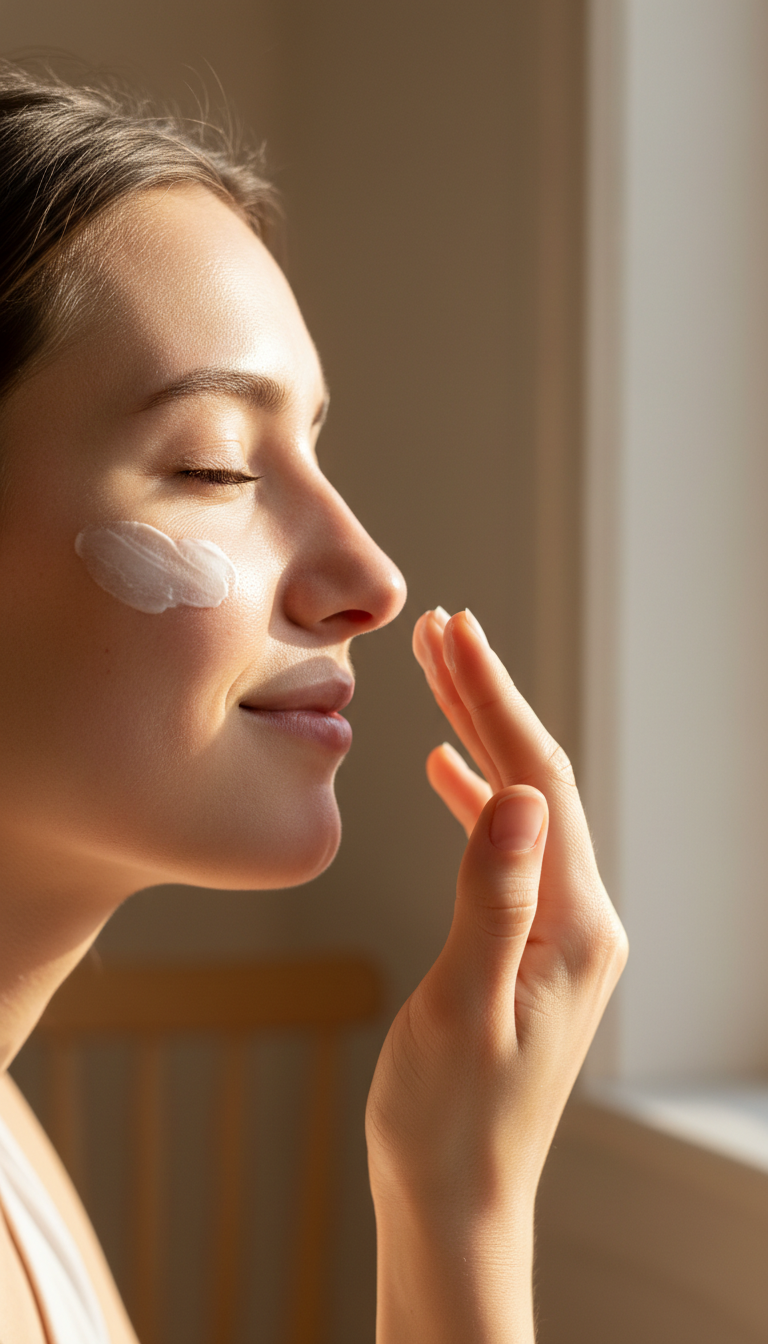
Switching to a lighter moisturizer is crucial as humidity levels rise. Opt for a water-based formula that hydrates without feeling greasy. Ingredients like hyaluronic acid or glycerin are excellent choices to keep your skin hydrated without clogging pores.
Sun Protection is Key
One of the most important steps in preparing your skin for summer is incorporating a broad-spectrum sunscreen into your daily routine. Dermatologists recommend using an SPF of at least 30, applied generously to all exposed skin. Remember to reapply every two hours, especially if you’re swimming or sweating.

Hydrate from the Inside Out
Drinking plenty of water is essential for maintaining healthy skin. Aim for at least eight glasses a day to help flush out toxins and keep your skin looking fresh. Incorporating fruits and vegetables high in water content, like cucumbers and watermelon, can also contribute to your hydration goals.
Adjust Your Skincare Routine
Consider simplifying your skincare routine during the summer months. Heavy creams and multiple layers of products can lead to clogged pores and acne. Stick to the basics: a gentle cleanser, a suitable moisturizer, and a reliable sunscreen.
Protect Your Lips and Eyes
Your lips and the delicate skin around your eyes also need protection from the sun. Use lip balm with SPF and wear sunglasses that offer UV protection to prevent sun damage in these sensitive areas.
Stay Mindful of Outdoor Activities
As you spend more time outdoors, be mindful of the times you’re exposed to the sun. Try to avoid peak sun hours from 10 a.m. to 4 p.m. If you’re outside during these times, seek shade whenever possible and wear protective clothing, such as wide-brimmed hats and long-sleeved shirts.

Repair and Soothe Sun-Damaged Skin
If you do get sunburned, focus on repairing and soothing your skin. Aloe vera and products containing antioxidants can help reduce inflammation and promote healing. Stay hydrated and avoid further sun exposure until your skin has recovered.
Regular Check-ups
Finally, schedule regular check-ups with a dermatologist to monitor your skin’s health. Early detection of skin issues can make a significant difference in treatment outcomes. Your dermatologist can also recommend products tailored to your specific skin type and needs.