
Myths About Laser Treatments: What’s Fact and What’s Fiction?


Introduction
Laser treatments have gained popularity for their effectiveness in addressing various skin concerns. However, with popularity comes an array of myths and misconceptions. In this post, we’ll explore common myths about laser treatments and separate fact from fiction.
Myth 1: Laser Treatments Are Painful
One of the most widespread myths is that laser treatments are extremely painful. While there can be some discomfort, it is often described as a mild tingling sensation. Most clinics apply a topical anesthetic to minimize any discomfort during the procedure.
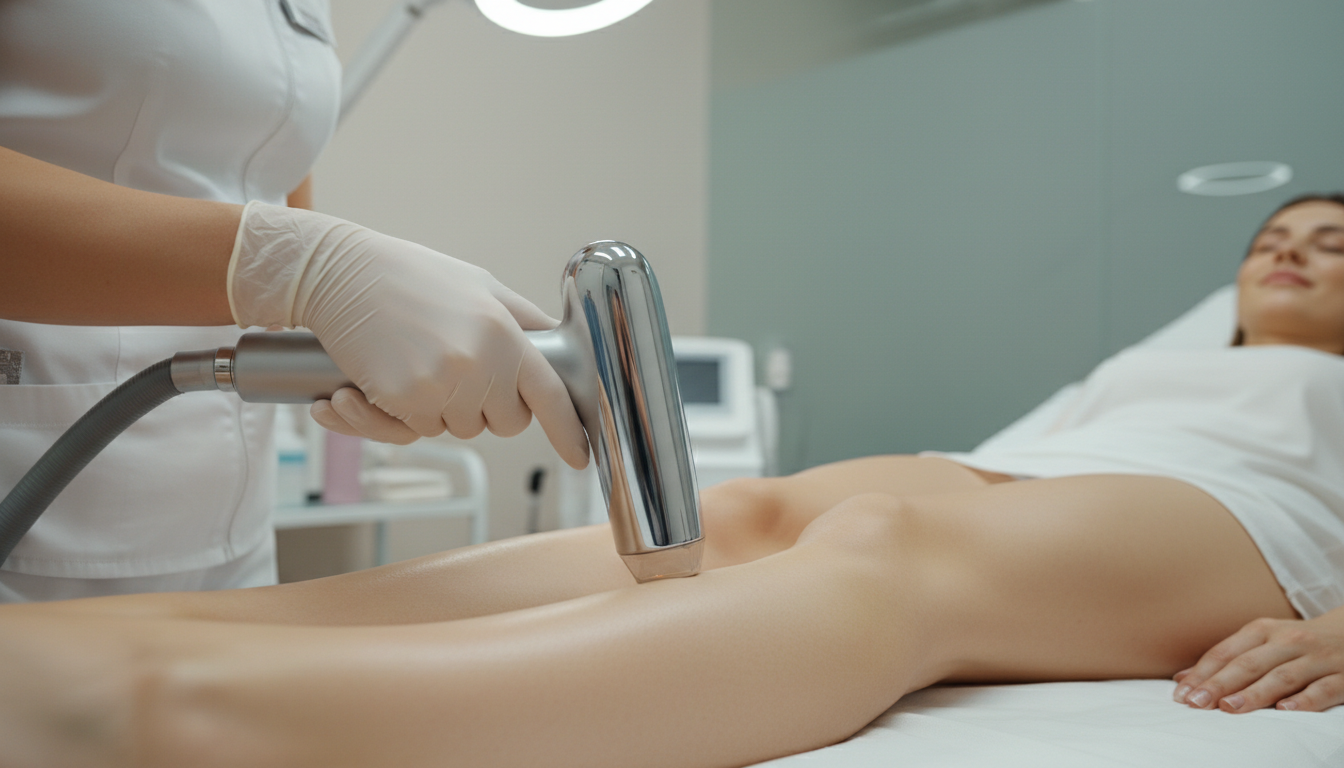
Understanding Pain Levels
The level of discomfort largely depends on the individual's pain tolerance and the type of treatment. For instance, laser hair removal may feel different from laser skin resurfacing. However, advancements in technology continue to make these procedures more comfortable.
Myth 2: Laser Treatments Are Only for Women
It is a common misconception that laser treatments are exclusively for women. In reality, men are increasingly opting for laser procedures to address issues like unwanted hair, acne scars, and skin rejuvenation.
Popular Treatments for Men
- Laser hair removal for the back and chest
- Treatment for ingrown hairs and razor bumps
- Skin tightening and rejuvenation
Myth 3: Results Are Immediate
Many people mistakenly believe that laser treatments deliver instant results. While some improvement might be noticeable right away, most treatments require multiple sessions to achieve optimal results. The skin continues to improve over time as it heals and regenerates.
Understanding the Process
For example, laser hair removal typically requires several sessions spaced weeks apart to target all hair follicles effectively. Patience and consistency are key to achieving the desired outcome.
Myth 4: Lasers Can Cause Cancer
This myth likely stems from misunderstandings about ultraviolet (UV) radiation. Laser treatments use non-ionizing radiation, which does not damage DNA or increase cancer risk. In fact, lasers are often used in dermatology to detect and treat pre-cancerous lesions.
The Safety of Laser Technology
It’s crucial to seek treatments from licensed and experienced practitioners, ensuring that the correct type of laser and settings are used for each individual's skin type and condition.
Conclusion
Understanding the facts about laser treatments can help alleviate fears and misconceptions. By choosing qualified professionals and following recommended protocols, laser treatments can be a safe and effective way to achieve your skin goals. Remember to consult with a certified dermatologist to discuss your specific needs and expectations.