
Laser Treatments Explained: A Comprehensive Guide


Introduction to Laser Treatments
Laser treatments have become increasingly popular in recent years as a versatile solution for a variety of skin concerns. From reducing wrinkles to removing unwanted hair, lasers offer a non-invasive way to improve your skin’s appearance. In this guide, we’ll explore the different types of laser treatments and what you can expect from each.
Understanding How Lasers Work
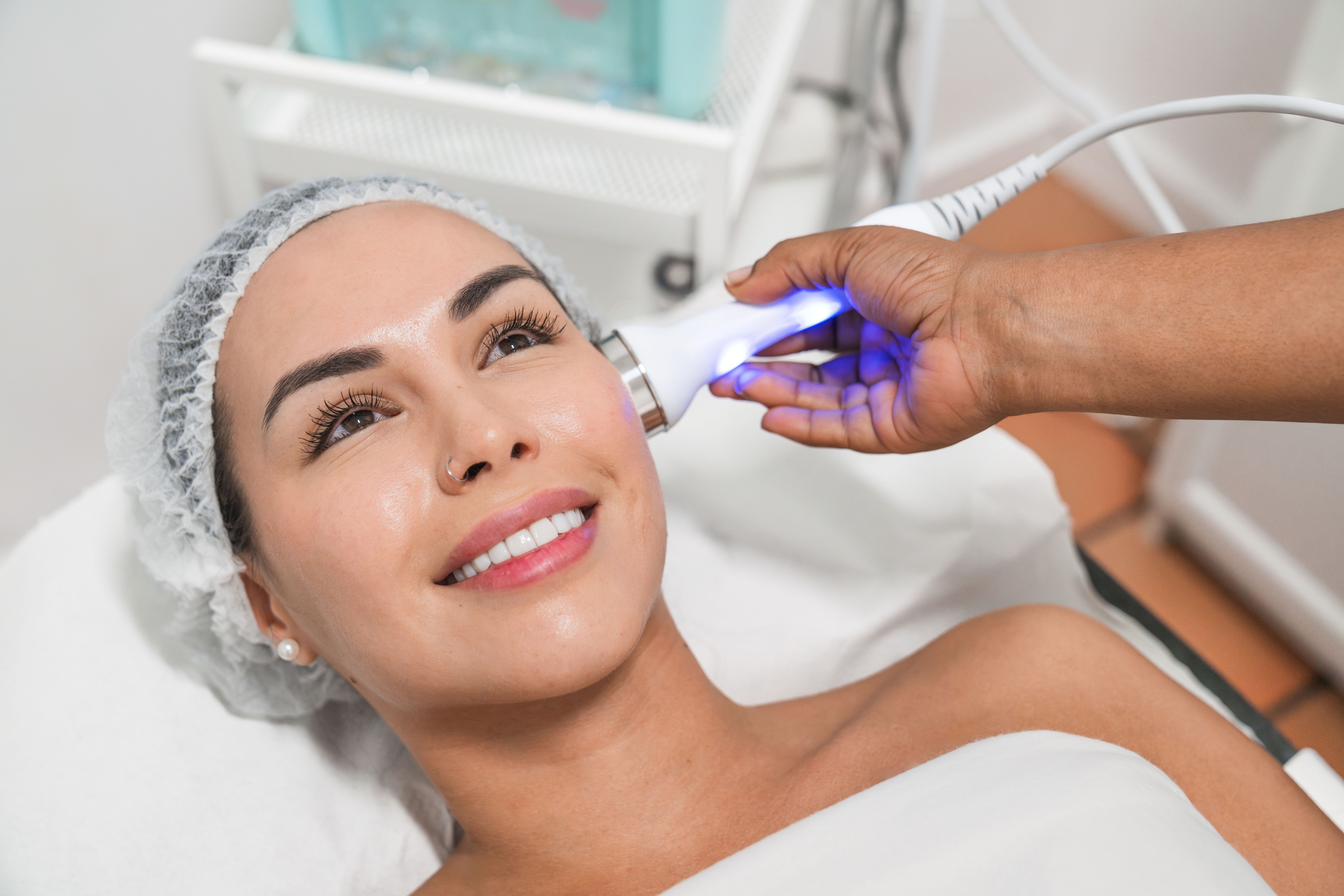
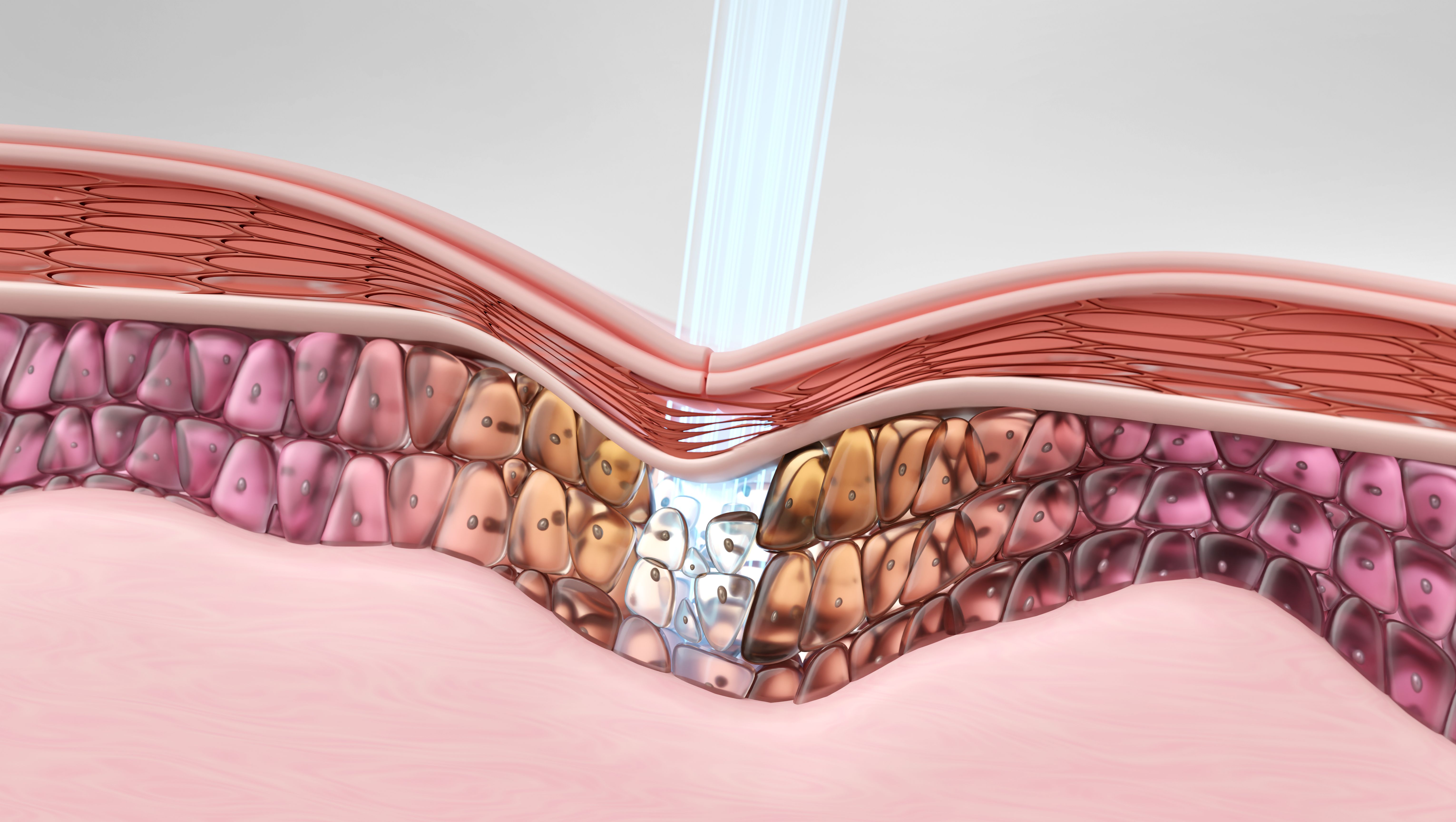
Lasers use focused light to target specific areas of the skin. The type of light used depends on the treatment's goal. For instance, some lasers are designed to stimulate collagen production, while others are used to remove pigmentation or hair. The versatility of laser technology makes it suitable for a wide range of applications.
Types of Laser Treatments
There are several types of laser treatments available, each tailored to address specific skin issues. Here’s a look at some of the most common ones:
- Ablative Lasers: These lasers remove the top layer of the skin, promoting the growth of new skin cells. They are often used for treating deep scars and wrinkles.
- Non-Ablative Lasers: These penetrate deeper into the skin without removing the top layer. They are ideal for treating fine lines and improving skin texture.
- Fractional Lasers: These create micro-injuries to stimulate the body’s natural healing process, which helps in reducing scars and improving skin tone.
Benefits of Laser Treatments
Laser treatments offer a range of benefits, making them a popular choice for many. Here are some advantages:
- Minimal downtime compared to surgical procedures.
- Improved skin texture and tone.
- Reduction in visible signs of aging.
- Long-lasting results with proper care.
Considerations Before Treatment
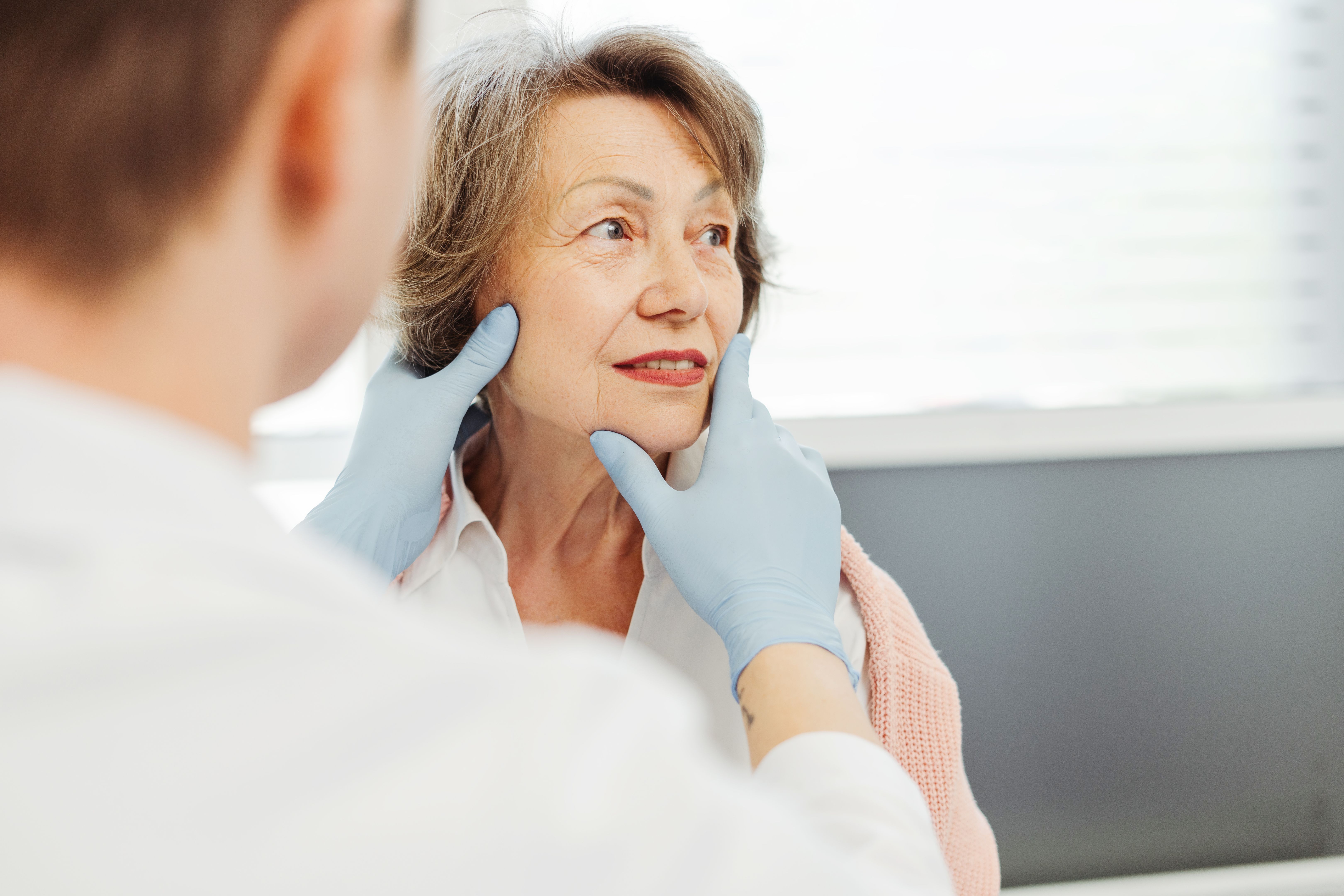
Before undergoing a laser treatment, it’s important to consult with a qualified dermatologist or cosmetic specialist. They will assess your skin type and discuss your goals to determine the most suitable laser treatment for you. It’s also crucial to disclose any medical conditions or medications you are taking.
What to Expect During and After Treatment
During the treatment, you may experience a sensation similar to a rubber band snapping against your skin. Most procedures are quick, lasting between 30 minutes to an hour, depending on the area being treated. After the treatment, some redness and swelling are common, but these typically subside within a few days.
Post-Treatment Care
Proper aftercare is essential to achieve the best results. Your specialist will provide specific instructions, but general guidelines include:
- Avoiding direct sun exposure and using a high SPF sunscreen.
- Keeping the treated area moisturized.
- Refraining from using harsh skincare products until the skin heals.
Conclusion
Laser treatments offer a versatile and effective solution for various skin concerns. Whether you are looking to reduce wrinkles, remove scars, or improve your skin’s overall appearance, there is likely a laser treatment that can help. Always consult with a professional to understand the best options for your skin type and needs.