
How to Choose the Right Laser Treatment for Your Skin Type


Understanding Your Skin Type
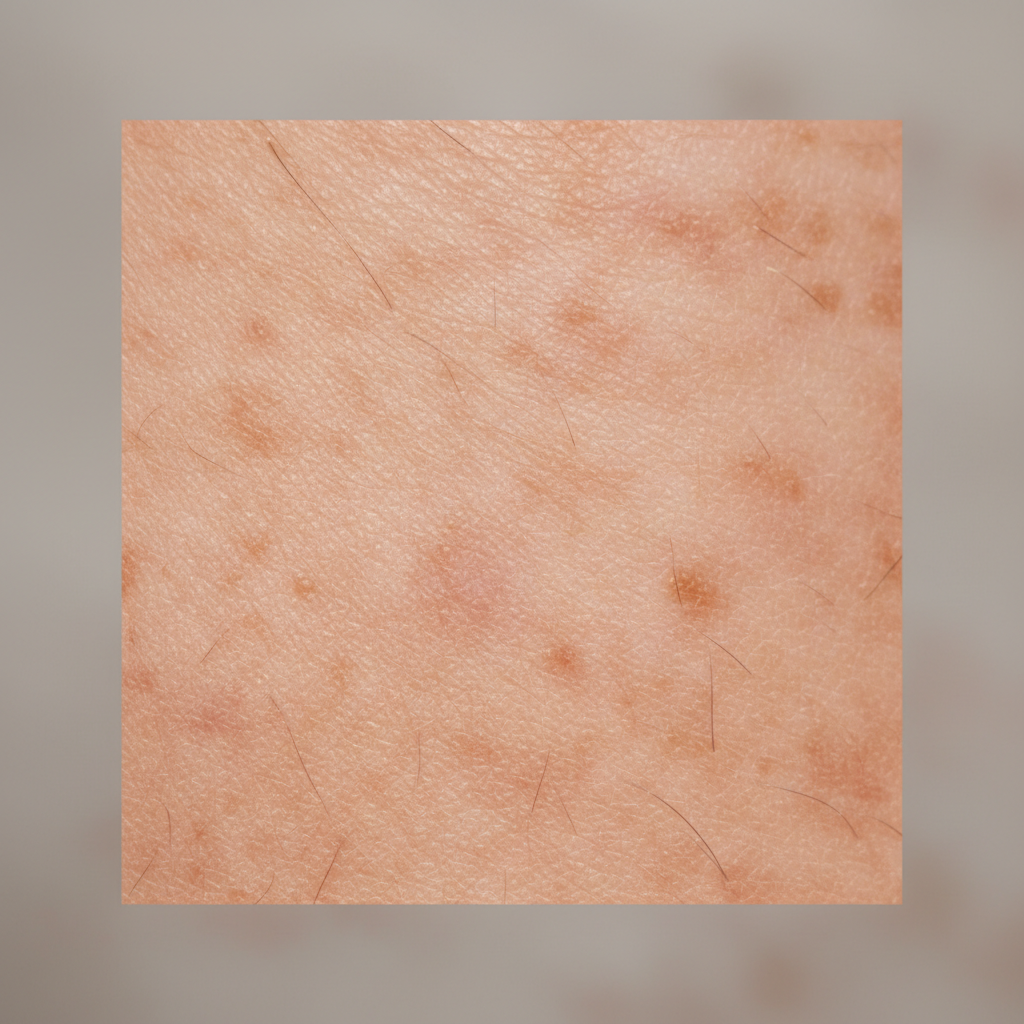
Before choosing a laser treatment, it's essential to understand your skin type. Skin types can vary from oily, dry, combination, to sensitive. Identifying your skin type can help determine the most suitable laser treatment for you. Consulting with a dermatologist is highly recommended to accurately assess your skin.
Knowing your skin type can make a significant difference in the outcome of the treatment. For example, certain lasers may exacerbate dryness or sensitivity, while others might be perfect for oily or combination skin.
Different Types of Laser Treatments
Ablative Lasers
Ablative lasers remove the outer layers of the skin and are typically used for treating wrinkles, scars, and warts. These lasers are suitable for people with thicker or more resilient skin types. However, individuals with sensitive skin may need to approach ablative lasers with caution.
Non-Ablative Lasers
Non-ablative lasers work beneath the skin's surface, stimulating collagen growth and tightening underlying skin. These are generally suitable for all skin types, including sensitive skin, as they involve minimal downtime.
Factors to Consider
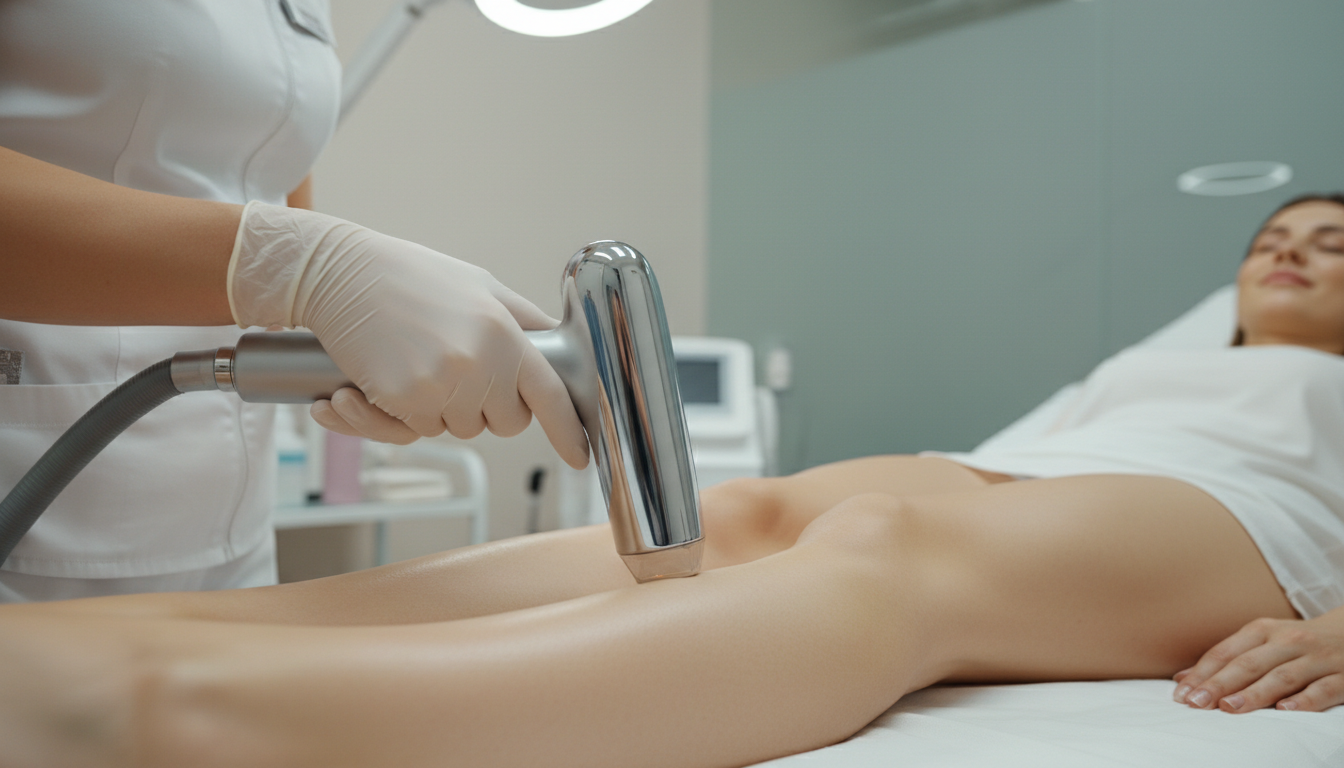
When selecting a laser treatment, consider factors such as recovery time, potential side effects, and your specific skin concerns. Some treatments may require multiple sessions, while others might offer results after just one session. Discuss these factors with a skincare professional to make an informed decision.
Cost is another crucial factor. Laser treatments can be a significant investment, so ensure you understand the pricing structure and whether follow-up appointments are necessary.

Preparing for Your Laser Treatment
Once you've chosen the right laser treatment, preparation is key. Avoid sun exposure, and refrain from using any harsh skin products before your session. Following pre-treatment guidelines will enhance the effectiveness and safety of the procedure.
Communicate any medical conditions or medications you're taking to your dermatologist. This information is vital in tailoring the treatment to ensure safety and minimize risks.
Post-Treatment Care
After your laser treatment, following the recommended aftercare is crucial for achieving optimal results. This may include using soothing creams, avoiding direct sunlight, and keeping the skin moisturized.
Be patient with the healing process, as it may take a few days to weeks for the full effects to appear. Regular follow-ups with your dermatologist can help monitor progress and address any concerns.