
Expert Advice: Maintaining Healthy Skin in a Desert Climate


Understanding the Desert Climate
Living in a desert climate presents unique challenges for maintaining healthy skin. The extreme dryness and intense sun exposure can lead to various skin issues. It's essential to adapt your skincare routine to these specific conditions. Understanding the environmental factors can help you make informed decisions about your skincare regimen.
Desert climates typically have low humidity levels, which can dehydrate the skin. This lack of moisture can lead to dryness, flakiness, and even premature aging. Additionally, the sun's UV rays are more intense in these regions, increasing the risk of sunburn and long-term damage.
Hydration is Key
One of the most important steps in maintaining healthy skin in a desert climate is to stay hydrated. Drinking plenty of water helps maintain the skin's moisture levels from the inside out. Aim to consume at least eight glasses of water a day, and consider incorporating hydrating foods like cucumbers and watermelon into your diet.
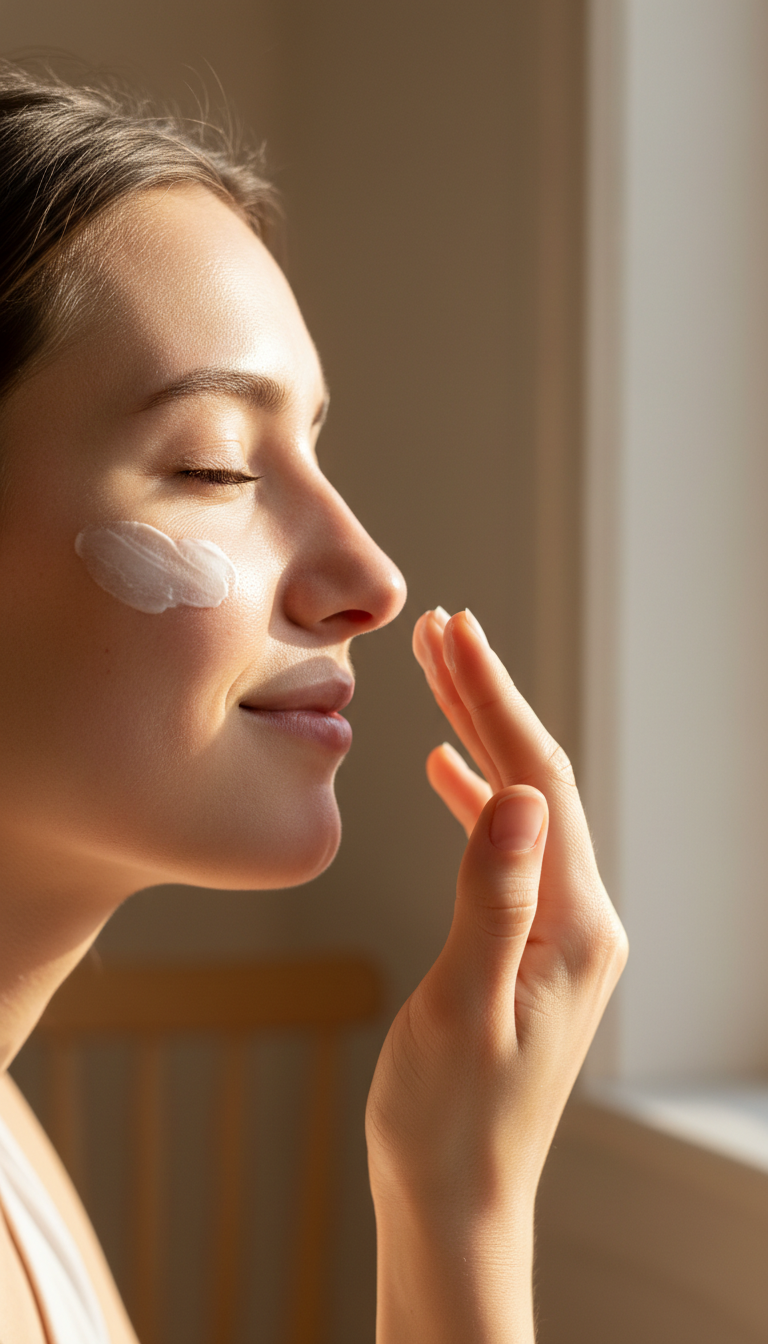
In addition to internal hydration, using a good moisturizer is crucial. Look for products containing hyaluronic acid or glycerin, which are excellent for locking in moisture. Apply moisturizer immediately after showering to seal in hydration.

Protecting Against Sun Damage
The sun's harmful UV rays can cause significant damage to your skin. It's vital to wear sunscreen every day, even if you're not planning to spend much time outdoors. Choose a broad-spectrum sunscreen with an SPF of at least 30, and reapply every two hours when in direct sunlight.
Wearing protective clothing is another effective way to shield your skin from the sun. Opt for long-sleeved shirts, wide-brimmed hats, and sunglasses. These items can help reduce exposure and keep your skin healthy.

Choosing the Right Skincare Products
When selecting skincare products, it's essential to consider the ingredients. Avoid products with alcohol or fragrances, as these can further dry out your skin. Instead, opt for products with soothing ingredients like aloe vera, chamomile, and niacinamide.
Exfoliation is also beneficial for removing dead skin cells and promoting cell turnover. However, be gentle and limit exfoliation to once or twice a week to prevent irritation. Choose a mild exfoliant that suits your skin type.
Nighttime Skincare Routine
Your nighttime skincare routine is just as important as your daytime regimen. After cleansing, apply a nourishing night cream or serum to help repair and rejuvenate your skin while you sleep. Look for products rich in antioxidants and vitamins to boost skin health.
Consider using a humidifier in your bedroom to add moisture to the air. This can help prevent dryness and keep your skin hydrated throughout the night.
Consulting with a Dermatologist
If you're struggling with specific skin issues or need personalized advice, consulting with a dermatologist is a wise decision. A skin expert can provide tailored recommendations and treatments to address your concerns effectively.
Regular check-ups can help you monitor your skin's health and make necessary adjustments to your skincare routine. Don't hesitate to seek professional guidance when needed.