
Effective Treatments for Melasma and Pigmentation in Riyadh: What You Need to Know


Understanding Melasma and Pigmentation
Melasma and pigmentation are common skin concerns, particularly in regions like Riyadh, where the sun is intense. Melasma is characterized by dark, discolored patches, usually on the face, while pigmentation issues can appear anywhere on the body. These conditions are influenced by factors such as sun exposure, hormonal changes, and genetics.
Causes and Risk Factors
Exposure to UV rays is a significant trigger for melasma and pigmentation. In Riyadh, with its sunny climate, protecting your skin is crucial. Hormonal changes, especially during pregnancy, can also lead to melasma, often termed the "mask of pregnancy." Other risk factors include genetics and certain medications.
Identifying Symptoms
The primary symptom of melasma is brown or gray-brown patches on the skin. These patches are usually symmetrical and appear on the cheeks, forehead, and chin. Pigmentation issues, on the other hand, can manifest as freckles, age spots, or post-inflammatory hyperpigmentation following skin injuries.
Effective Treatments Available
Treating melasma and pigmentation requires a comprehensive approach. In Riyadh, several effective treatments are available:
- Topical Treatments: Creams containing hydroquinone, retinoids, and corticosteroids are commonly used to lighten the skin.
- Chemical Peels: These involve applying a chemical solution to exfoliate the skin, which can reduce pigmentation.
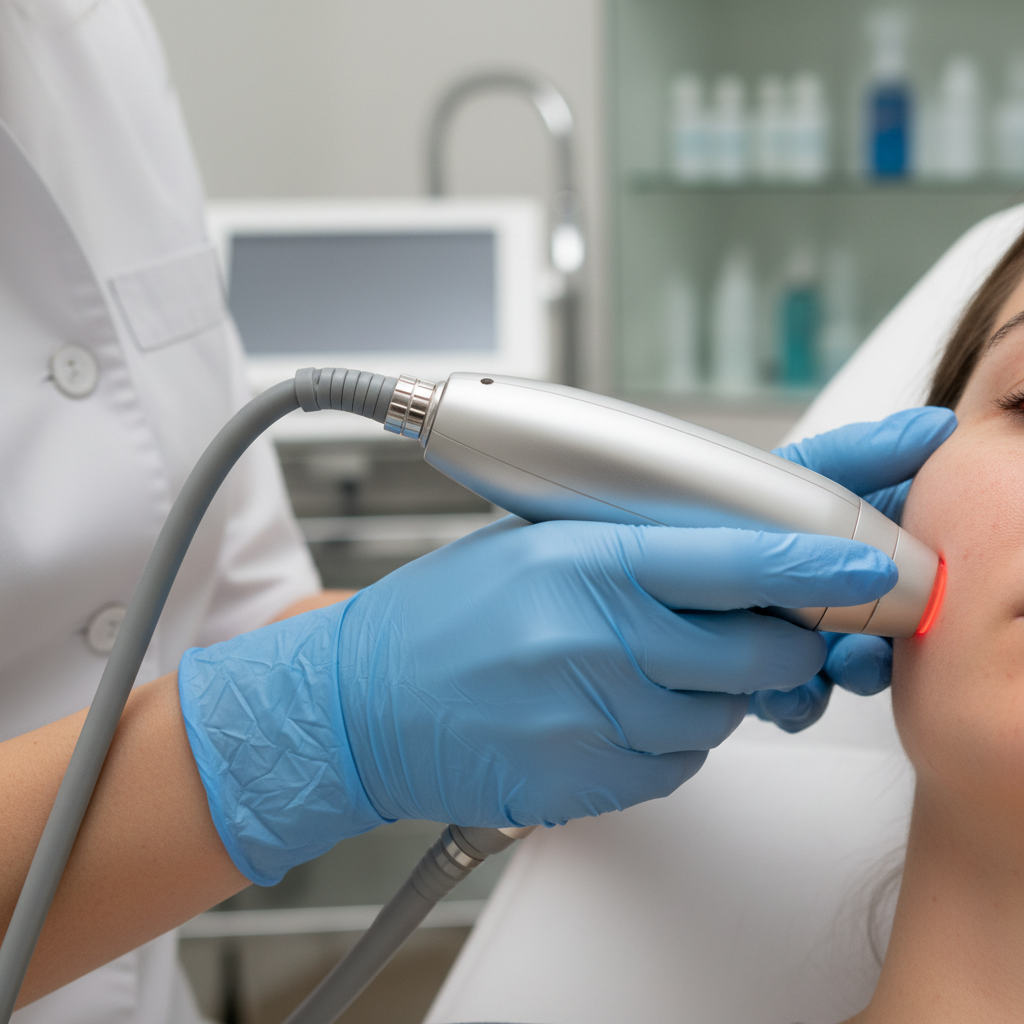
- Laser Therapy: Advanced laser treatments target melanin in the skin, breaking down pigment and reducing discoloration.
Consulting a Dermatologist
Before starting any treatment, consulting a dermatologist is essential. They can assess your skin type and the severity of your condition, recommending the most suitable treatments. A personalized approach ensures better results and minimizes potential side effects.
Prevention and Maintenance
Preventing melasma and pigmentation involves daily sun protection. Use a broad-spectrum sunscreen with at least SPF 30, reapplying it every two hours when outdoors. Wearing hats and sunglasses can also provide additional protection.

Lifestyle and Dietary Considerations
Maintaining a healthy lifestyle can support your skin's health. A balanced diet rich in antioxidants helps combat free radicals, reducing pigmentation risks. Hydration is also key, as well as avoiding triggers such as stress and lack of sleep.
Conclusion
Addressing melasma and pigmentation requires a combination of effective treatments and preventive measures. In Riyadh, where sun exposure is a constant factor, taking proactive steps is vital for maintaining clear, healthy skin. Consult with a dermatologist to explore the best options tailored to your needs.