
DIY Skin Care Tips: What to Do Before Visiting a Dermatologist


Understanding Your Skin Type
Before scheduling an appointment with a dermatologist, it's essential to have a basic understanding of your skin type. Knowing whether your skin is oily, dry, combination, or sensitive can help you tailor your skincare routine effectively. This knowledge not only helps in choosing the right products but also in discussing your concerns with the dermatologist.

To determine your skin type, wash your face with a gentle cleanser and wait for about an hour without applying any products. Observe how your skin feels: if it feels tight, you likely have dry skin; if it appears shiny, you might have oily skin; if you notice both dry and oily areas, you have combination skin.
Establish a Basic Skincare Routine
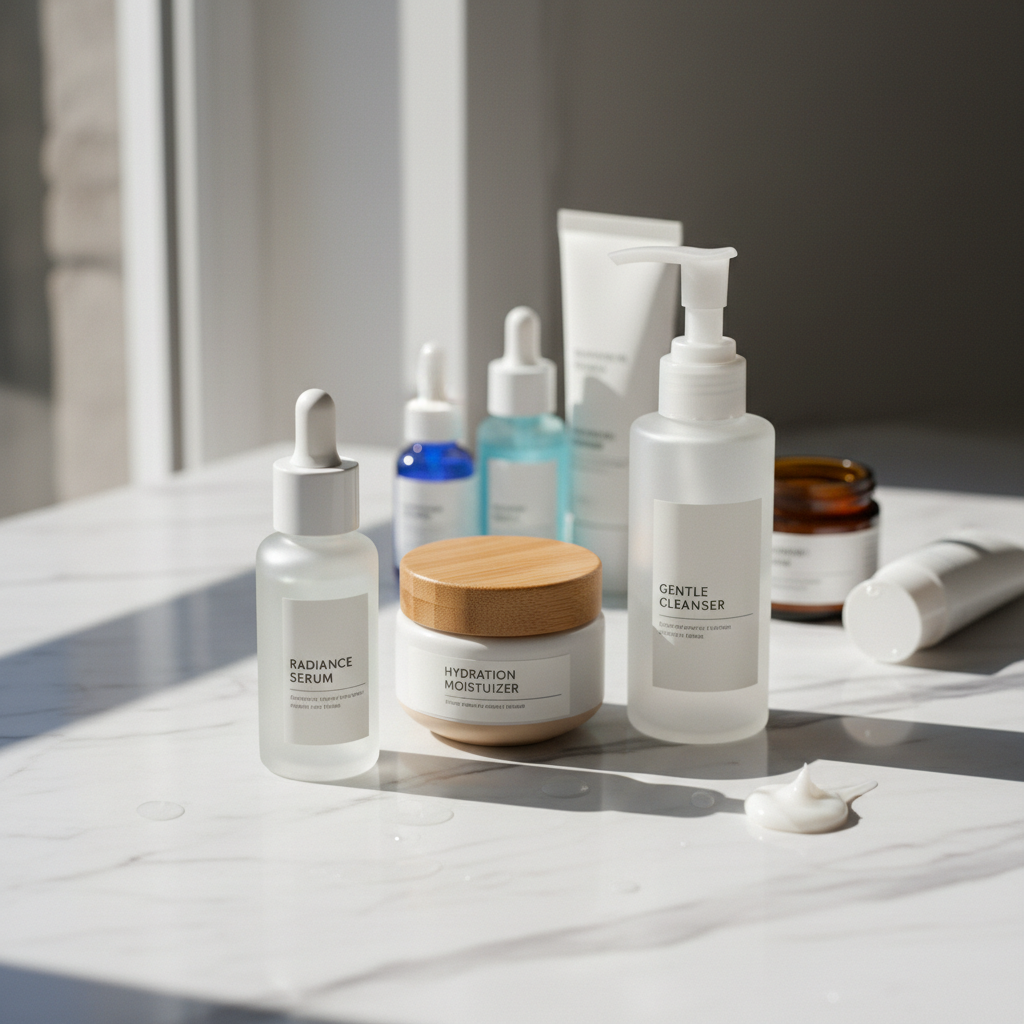
Before visiting a dermatologist, establish a basic skincare routine to maintain healthy skin. A simple routine involves cleansing, moisturizing, and applying sunscreen. Choose a cleanser that suits your skin type and a moisturizer that provides adequate hydration.
Sunscreen is a crucial part of any skincare routine, as it protects your skin from harmful UV rays. Opt for a broad-spectrum sunscreen with at least SPF 30 and apply it daily, regardless of the weather.
Identify Your Skin Concerns
It's important to identify specific skin issues or concerns you want to address before consulting a dermatologist. Common concerns include acne, hyperpigmentation, aging signs, or redness. Make a list of these issues to discuss during your appointment.
Keep track of any reactions or changes in your skin when using new products. This information will be valuable for the dermatologist in understanding your skin's behavior and suggesting appropriate treatments.
Patch Test New Products
Before incorporating new products into your routine, always conduct a patch test. Apply a small amount of the product on a discreet area, like behind your ear or on your wrist, and wait 24 hours to check for any adverse reactions. This step can prevent potential irritation or allergic reactions.

Patch testing is especially crucial for products containing active ingredients like retinoids or alpha-hydroxy acids, which can be potent and cause irritation if not suitable for your skin.
Document Your Skincare Journey
Documenting your skincare journey can be incredibly helpful for both you and your dermatologist. Take photos and keep notes on the products you use, how your skin reacts, and any improvements or setbacks you experience.
This record will provide your dermatologist with a comprehensive overview of your skincare history, making it easier to tailor recommendations and treatments to your specific needs.
Prepare Questions for Your Dermatologist
Prepare a list of questions or topics you want to discuss during your dermatologist appointment. This could include inquiries about specific treatments, product recommendations, or lifestyle changes that can benefit your skin.

Being prepared with questions ensures you make the most of your appointment and leave with a clear understanding of the steps needed to achieve your skincare goals.