
Comprehensive Guide to Laser Treatment for Freckles and Pigmentation


Laser treatment has become a popular solution for those looking to address freckles and pigmentation. With advancements in technology, these treatments offer effective results with minimal downtime. If you're considering this option, understanding the process, benefits, and potential risks is crucial.

How Laser Treatment Works
Laser treatment for freckles and pigmentation works by targeting the melanin in the skin. The laser emits a specific wavelength of light that is absorbed by the pigment. This process breaks down the pigment, allowing the body's natural healing process to remove it.
Types of Lasers
There are various types of lasers used for treating pigmentation issues:
- Q-Switched Lasers: Known for their ability to target deeper pigmentation.
- Fractional Lasers: Ideal for treating superficial pigmentation and improving skin texture.
- Pulsed Dye Lasers: Effective for vascular lesions and some pigmentation issues.
Benefits of Laser Treatment
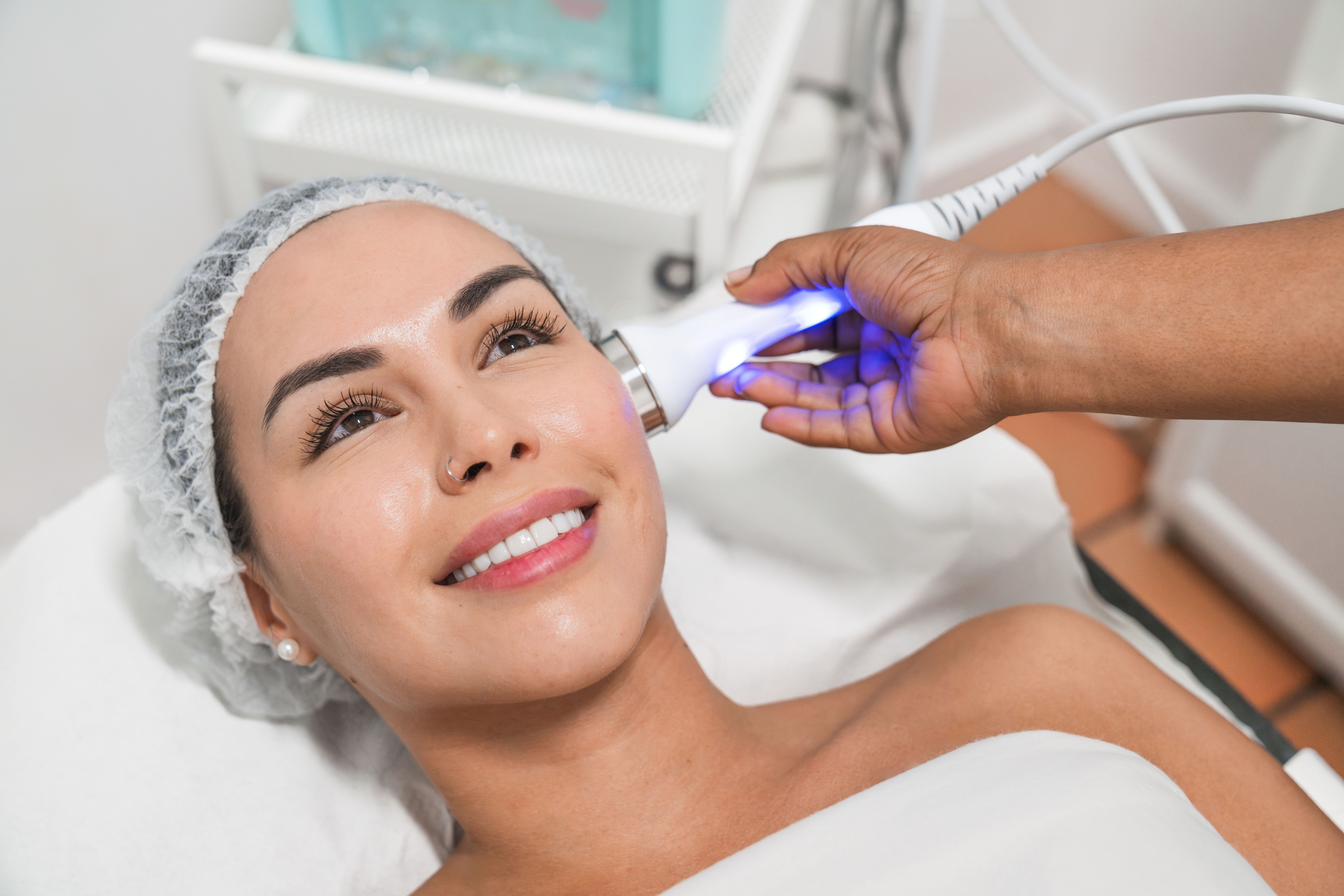
The benefits of laser treatment are numerous. One of the main advantages is its ability to provide targeted treatment, ensuring that only the affected areas are addressed. This leads to faster recovery times and more precise results.
Additionally, laser treatments are non-invasive, reducing the risk of scarring and other complications. The procedure is also relatively quick, often completed within 30 to 60 minutes, depending on the size of the area being treated.
Preparing for the Procedure
Before undergoing laser treatment, proper preparation is essential. Consultation with a qualified dermatologist or specialist is the first step. They will assess your skin type and determine the most suitable laser for your needs. It's important to avoid sun exposure and certain medications leading up to the treatment.

What to Expect During the Procedure
The procedure itself is typically well-tolerated. A numbing cream may be applied to reduce discomfort. During the session, protective eyewear is used to shield your eyes from the laser. The specialist will then use the laser to target the pigmented areas.
Post-Treatment Care
After the procedure, following the recommended aftercare instructions is vital for optimal results. This may include applying soothing creams, avoiding sun exposure, and steering clear of harsh skincare products. Temporary redness and swelling are common but should subside within a few days.
Potential Side Effects and Risks
While laser treatment is generally safe, some potential side effects include redness, swelling, and in rare cases, changes in skin color. Choosing a qualified professional minimizes these risks.
Conclusion
Laser treatment for freckles and pigmentation offers an effective solution for those seeking clearer, more even-toned skin. By understanding the process, preparing adequately, and following post-treatment care, individuals can achieve impressive results. Always consult with a professional to ensure the best outcome for your skin type.