
Common Misconceptions About Acne Treatments Debunked


Understanding Acne Treatments
Acne is a common skin condition that affects millions of people worldwide. Despite its prevalence, there are numerous misconceptions about how to effectively treat it. It's crucial to separate fact from fiction to ensure that you're taking the right steps towards achieving clearer skin.
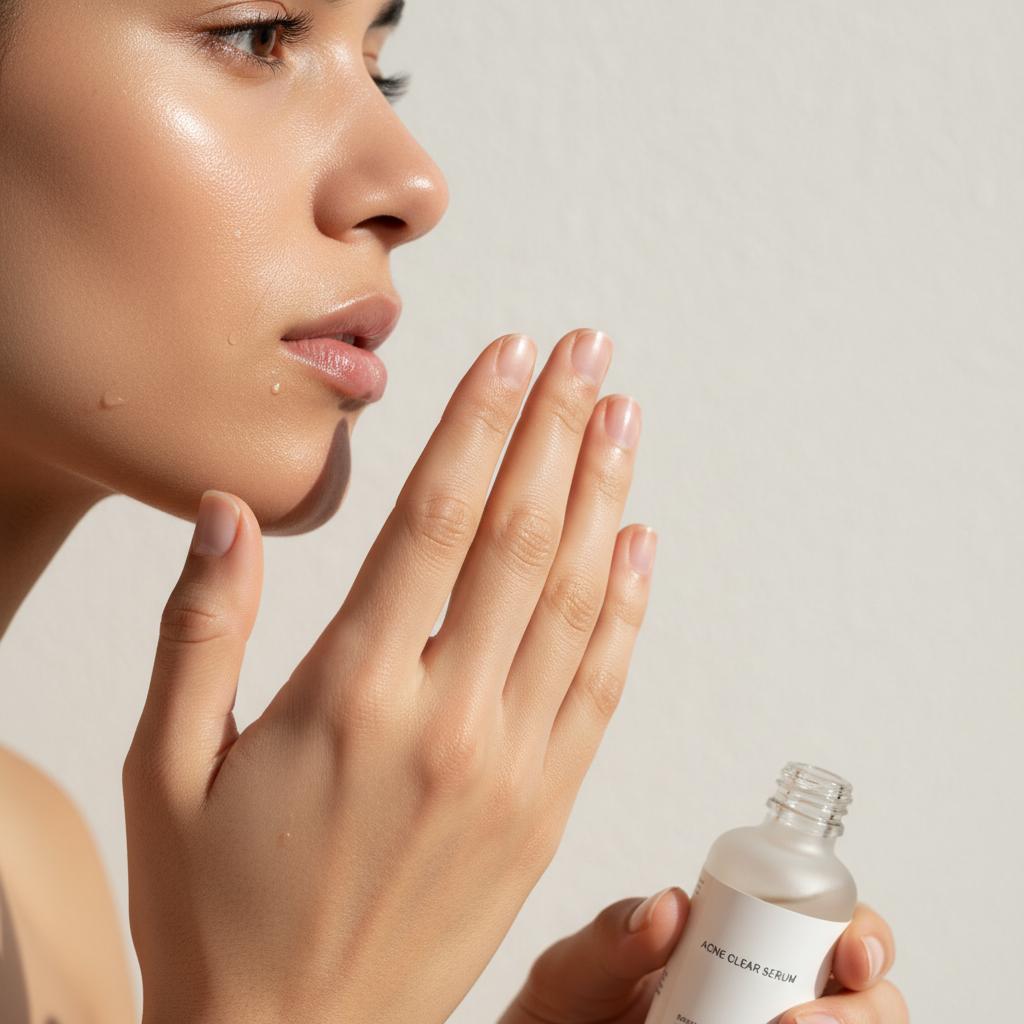
Myth 1: Sun Exposure Clears Acne
A common belief is that sunlight can dry out acne and improve skin condition. While moderate sun exposure might initially reduce acne's appearance, it can lead to increased oil production and worsen the condition over time. Additionally, UV rays can damage your skin and increase the risk of skin cancer.
Myth 2: Popping Pimples Helps Them Heal Faster
Popping pimples may provide temporary relief, but it can lead to scarring and further inflammation. This action can push bacteria deeper into the skin, exacerbating the problem. Instead, consider using spot treatments containing benzoyl peroxide or salicylic acid to reduce inflammation and promote healing.
The Role of Diet in Acne
Another widespread misconception is that diet has no impact on acne. Recent studies suggest that certain foods might contribute to acne flare-ups. High-glycemic foods like white bread and sugary snacks can spike insulin levels, potentially leading to increased oil production and breakouts.
Myth 3: Chocolate and Greasy Foods Cause Acne
While it's easy to blame chocolate and greasy foods for breakouts, research shows that they don't directly cause acne. However, a diet rich in nutrients and low in refined sugars can support overall skin health. It's essential to maintain a balanced diet to keep your skin in optimal condition.

Understanding Skincare Products
Skincare products often promise miraculous results, leading to misunderstandings about their effectiveness. Not all products work for every skin type, and it's vital to choose ones that suit your specific needs.
Myth 4: More Expensive Products Work Better
The belief that expensive skincare products are more effective is misleading. Price doesn't always equate to quality. Some over-the-counter treatments are just as effective as pricier alternatives. It's important to look for products with proven active ingredients rather than focusing solely on cost.
Myth 5: Natural Remedies Are Always Safe
Natural remedies like tea tree oil or apple cider vinegar are popular, but they can irritate some skin types. Always perform a patch test before trying new treatments and consult with a dermatologist to tailor a regimen that’s right for you.
Conclusion
Debunking these misconceptions can guide you towards better acne management. Understanding what truly impacts your skin and making informed decisions about your treatment options will lead to healthier, clearer skin. Always consult a dermatologist for personalized advice tailored to your skin's unique needs.